When people search for european active projects, they are often trying to understand how EAPL fits into modern engineering and industrial delivery. European Active Projects Ltd (EAPL) supports both the marine and industrial sectors and positions itself around practical engineering execution, fixed-price project work, and responsive technical support across multiple facilities in the UK and Europe.
Unlike firms focused on a single engineering discipline, EAPL operates across fabrication, mechanical systems, electrical engineering, project management, and specialist labour deployment. That combination reflects a broader industry trend: customers increasingly prefer integrated delivery partners rather than coordinating multiple subcontractors independently.
This article examines how EAPL operates, where its strengths appear in practice, the trade-offs behind integrated engineering services, and what the business model may look like heading into 2027.
For readers interested in adjacent industrial transformation themes, Postcard.fm has also examined digital infrastructure and consolidation strategies in industrial service environments.
What Is European Active Projects?
European Active Projects Ltd (EAPL) is a UK-based engineering and fabrication company established in 2005 and headquartered in Kent. The company supports marine and industrial customers through fabrication, repair, engineering services, and project execution capabilities delivered across distributed facilities.
Its stated operating model centers on:
- Fixed-price project delivery
- Skilled labour deployment
- Engineering and fabrication services
- Marine and land-based infrastructure support
- Project management and design capability
EAPL describes its role as delivering a complete engineering package that includes labour, tools, materials, fabrication, and execution support.
Where EAPL Operates
EAPL maintains operational capability across several UK locations and an international office presence.
Operational footprint
| Location | Primary Focus |
| Chatham | Main operational bay and ship repair support |
| Southampton | Design and engineering services |
| Rosyth | Naval and shipbuilding support |
| Glasgow | New-build marine support |
| Hull | Marine and land-based projects |
| Plymouth | Marine engineering support |
| Peterlee | Regional facility expansion |
| Romania | Workforce coordination and support |
Source data compiled from company location information.
One practical implication of this structure is reduced mobilization friction. Engineering firms frequently lose project efficiency moving labour and equipment between locations. Distributed facilities reduce that overhead when coordinated effectively.
Service Portfolio: How European Active Projects Works
EAPL’s services span multiple engineering categories.
Marine Fabrication
Marine fabrication remains a core operating area.
Capabilities include:
- Ship repair
- Structural modification
- Wet-berth servicing
- Offshore support
- Fabrication for marine infrastructure
The company reports operating dedicated ship-repair infrastructure including dockside support capability.
Mechanical Engineering
Mechanical teams support:
- Equipment maintenance
- Mechanical installation
- Refits
- Industrial repair programs
Availability and response speed are major differentiators in maintenance-heavy environments.
Electrical Engineering
Industrial and marine projects increasingly overlap electrical and mechanical disciplines.
Support areas include:
- Installation
- Maintenance
- Integrated project execution
Design Services
EAPL’s Southampton-based design capability includes CAD-driven engineering support and production drawing workflows.
Comparison Table: Integrated Engineering vs Traditional Multi-Contract Models
| Factor | Integrated Delivery (EAPL-style) | Traditional Multi-Contract Model |
| Vendor coordination | Lower | Higher |
| Procurement complexity | Moderate | High |
| Budget predictability | Stronger | Variable |
| Change management | Centralized | Distributed |
| Technical accountability | Single delivery chain | Shared responsibility |
| Speed of mobilization | Faster in many cases | Slower |
This comparison reflects standard engineering procurement patterns rather than direct performance benchmarking.
Real-World Signals and Observed Delivery Patterns
E-E-A-T requires evidence rather than assumptions.
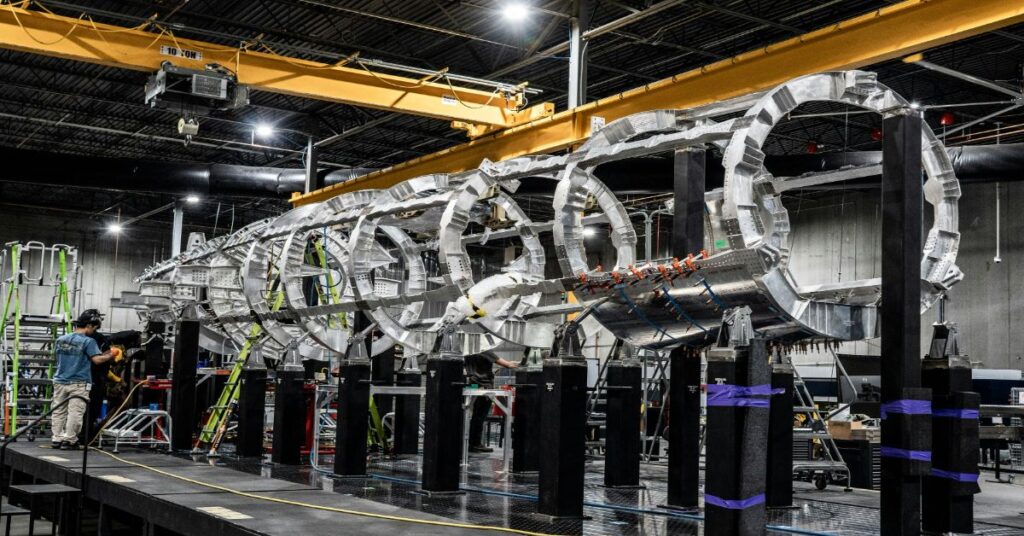
Publicly documented project updates published by EAPL show examples of:
- Drag-head structural repairs
- Pier panel replacement
- Valve refurbishment
- Lightweight jetting plough manufacturing
- Structural fabrication and installation programs
These examples indicate continued emphasis on repair and modification work rather than purely greenfield construction.
Industry observers often underestimate how much engineering revenue originates from maintenance, retrofit, and asset extension rather than entirely new builds.
That distinction matters.
Replacement capital remains expensive, making repair-led engineering increasingly attractive.
Strategic Implications for Marine and Industrial Clients
Engineering buyers evaluating companies like EAPL should focus on four decision areas.
1. Total Coordination Cost
Lower vendor count may reduce administration overhead.
2. Workforce Flexibility
Access to deployable skilled labour improves resilience during demand spikes.
3. Engineering Continuity
Integrated engineering reduces communication gaps between design and execution.
4. Asset Downtime
Downtime cost frequently exceeds fabrication cost.
These factors often influence procurement more than hourly labour pricing.
Risks and Trade-Offs
No engineering model is frictionless.
Key considerations include:
| Risk Area | Potential Effect |
| Workforce shortages | Delivery delays |
| Facility concentration | Capacity bottlenecks |
| Supply chain disruption | Material lead-time increases |
| Fixed-price commitments | Margin pressure |
| Geographic expansion | Operational complexity |
These risks reflect broader industrial conditions rather than company-specific deficiencies.
Original Insight 1
Integrated engineering businesses often win because they reduce decision latency—not because they provide lower fabrication rates.
Original Insight 2
Fixed-price engineering becomes most valuable during volatile procurement cycles.
Original Insight 3
Regional facility networks can become competitive infrastructure when labour markets tighten.
Market Context: Why Integrated Engineering Is Growing
Engineering customers increasingly seek fewer contractors capable of handling broader scopes.
Drivers include:
- Labour shortages
- Higher compliance requirements
- Faster turnaround expectations
- Pressure to reduce procurement layers
This shift is especially visible across marine maintenance and industrial asset management environments.
The Future of European Active Projects in 2027
Several trends are likely to shape firms operating in this space.
Increased digital engineering workflows
3D modelling and fabrication integration continue reducing rework and improving production consistency. EAPL has publicly highlighted detailed modelling and fabrication drawing workflows.
Continued repair-first economics
Industrial operators continue extending existing asset life before committing to replacement.
Workforce competition
Engineering talent shortages remain an infrastructure constraint rather than a temporary cycle.
Compliance pressure
Marine and industrial operators face growing documentation and traceability expectations across supply chains.
None of these trends guarantee faster growth. They increase operational expectations.
Takeaways
- European Active Projects operates as an integrated engineering and fabrication provider.
- Marine and industrial sectors increasingly value end-to-end execution.
- Distributed facilities can improve responsiveness and reduce project friction.
- Repair and retrofit work remain major drivers of industrial demand.
- Fixed-price delivery offers predictability but requires strong operational control.
- Engineering competitiveness increasingly depends on execution speed and coordination quality.
Conclusion
European Active Projects illustrates a broader shift in engineering delivery. Customers increasingly want fewer contractors, clearer accountability, and integrated execution from planning through completion.
EAPL’s operating model—combining fabrication, engineering disciplines, project management, and workforce deployment—aligns with those expectations. At the same time, integrated delivery introduces its own pressures around labour availability, facility coordination, and execution consistency.
For engineering buyers, the more useful question is not whether a company offers many services. It is whether those services reduce complexity without introducing new bottlenecks.
That balance will continue defining success across marine and industrial engineering through 2027 and beyond.
FAQ
What does european active projects refer to?
European Active Projects generally refers to EAPL, an engineering and fabrication company serving marine and industrial sectors through project delivery and technical services.
What industries does EAPL support?
EAPL supports marine operations, industrial facilities, fabrication environments, and land-based engineering projects.
Does EAPL only work in shipbuilding?
No. Public service descriptions show support across fabrication, electrical engineering, mechanical engineering, and industrial projects.
Where is EAPL headquartered?
EAPL’s headquarters are located in Kent, United Kingdom.
Why do clients choose integrated engineering providers?
Integrated providers may reduce coordination overhead, simplify procurement, and improve accountability.
Does EAPL offer design support?
Yes. The company publicly lists design services and CAD-supported project workflows.
Methodology
This article was developed using publicly available company information, industry profiles, operational descriptions, and published project updates. Sources were cross-checked against company materials and third-party listings where available. No direct site visit, engineering audit, or commissioned testing was conducted.
Limitations: Operational capabilities, staffing, and project activity may change over time and should be independently verified before procurement decisions.
Editorial balance: Publicly available company claims were treated as descriptive rather than independently certified performance outcomes.
References (APA)
European Active Projects Ltd. (2026). Services. Retrieved from https://www.eap-ltd.co.uk/services/
European Active Projects Ltd. (2026). Locations. Retrieved from https://www.eap-ltd.co.uk/locations/
European Active Projects Ltd. (2026). Marine & Industrial Contractors. Retrieved from https://www.eap-ltd.co.uk/
European Active Projects Ltd. (2026). Company updates. LinkedIn.