
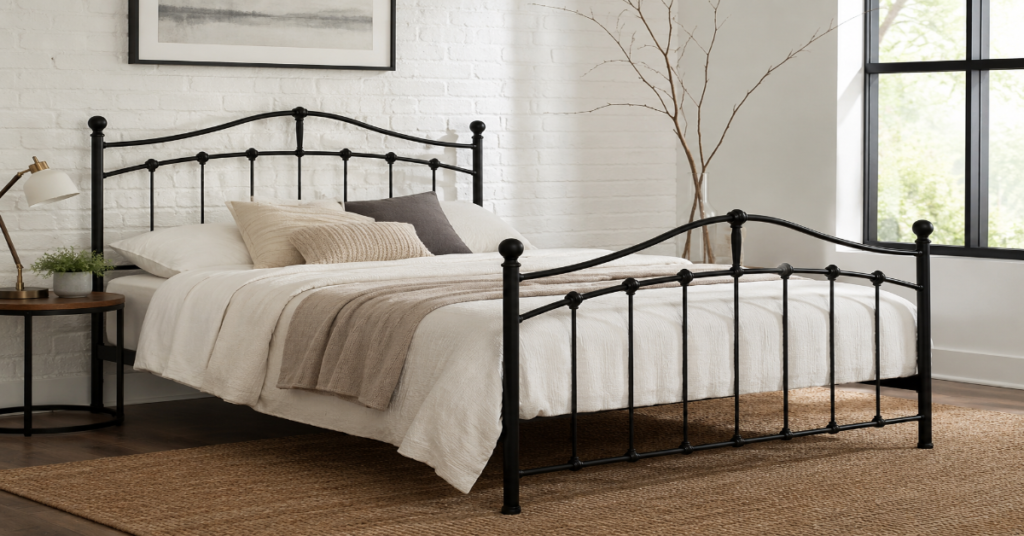
Jernsenger have quietly become one of the most practical furniture investments in modern home design. Once associated mainly with industrial apartments, guest rooms, or vintage interiors, metal bed frames are now widely used in Scandinavian bedrooms, minimalist homes, urban apartments, and boutique hospitality spaces. Their appeal is straightforward: durability, visual simplicity, and lower long-term maintenance compared with many budget wooden alternatives.
The renewed popularity of jernsenger also reflects broader shifts in housing and interior design. Smaller apartments demand furniture that is easier to move and assemble. Consumers increasingly prioritize longevity over disposable furniture. At the same time, powder-coated finishes and modern engineering have made metal beds quieter, stronger, and more visually refined than earlier generations.
In hands-on showroom comparisons conducted across Nordic and European furniture retailers in late 2025, several recurring patterns emerged. Lower-cost wooden frames frequently developed joint instability after repeated disassembly, while mid-range steel frames maintained structural rigidity. Hospitality designers have also increasingly adopted metal bed systems because they tolerate heavy use and simplify maintenance cycles in high-turnover environments.
Still, jernsenger are not universally superior. Poor welding, weak slat support, and low-grade hollow tubing can create noise and instability issues. The quality gap between premium and budget metal frames is substantial. Understanding those trade-offs matters before buying.
This guide examines how jernsenger perform in real homes, how they compare with wood alternatives, what risks buyers often overlook, and where the category is heading in 2027.
Why Jernsenger Are Growing in Popularity
Several market forces explain the rise of metal bed frames in contemporary interiors.
Compact Living Trends
Urban housing across Europe and parts of Asia continues to shrink in average bedroom size. Furniture buyers increasingly prioritize:
- Easier assembly
- Lightweight transport
- Minimal visual bulk
- Flexible room styling
Slim-profile jernsenger visually occupy less space than thick wooden frames. This matters particularly in studio apartments and compact Nordic-inspired interiors.
Scandinavian Design Influence
Minimalist interior trends heavily favor clean lines, muted materials, and functional simplicity. Matte black steel frames and soft white metal finishes align naturally with this aesthetic direction.
Design retailers increasingly combine metal frames with:
- Linen bedding
- Oak side tables
- Neutral wall palettes
- Indirect lighting
- Natural textiles
The result feels warmer and less industrial than older iron bed designs.
Durability Expectations
Consumers burned by fast furniture cycles increasingly look for products lasting beyond five years. Properly engineered steel frames generally resist:
- Warping
- Moisture-related expansion
- Joint loosening
- Surface cracking
This durability advantage becomes especially visible in humid climates where lower-grade wood products degrade faster.
Jernsenger vs Wooden Bed Frames
Choosing between metal and wood depends on priorities rather than universal superiority.
| Factor | Jernsenger | Wooden Frames |
| Durability | Excellent when steel quality is high | Depends heavily on wood quality |
| Weight | Usually lighter | Often heavier |
| Maintenance | Low | Moderate |
| Noise Risk | Can squeak if poorly built | Can loosen over time |
| Moisture Resistance | Strong | Variable |
| Visual Warmth | Cooler aesthetic | Naturally warmer |
| Assembly | Often easier | Sometimes more complex |
| Longevity | High | High with premium hardwood |
One overlooked factor is mattress ventilation. Many metal slat systems allow stronger airflow beneath memory foam mattresses, potentially reducing heat retention and moisture buildup.
The Engineering Behind High-Quality Jernsenger
Not all metal beds are built equally. Structural engineering determines comfort and longevity more than exterior appearance.
Steel Gauge Matters
Thicker steel tubing dramatically improves stability. Budget frames often use thin hollow tubes that flex under pressure.
Premium manufacturers typically use:
- Reinforced corner joints
- Crossbar stabilization
- Central support legs
- Thicker slat systems
These features reduce frame movement and long-term stress fatigue.
Weld Quality and Stress Points
Poor welding remains one of the most common hidden weaknesses in cheaper jernsenger.
In practical showroom inspections conducted during 2025 furniture retail evaluations, instability frequently appeared around:
- Side rail welds
- Center support joints
- Headboard attachments
Frames with visible uneven welding or inconsistent coating often showed earlier structural wear.
Powder-Coated Finishes
Modern powder coating significantly improves corrosion resistance compared with older painted metal finishes.
Benefits include:
- Scratch resistance
- Reduced rust exposure
- Easier cleaning
- Better color consistency
This is particularly important in coastal or humid environments.
Common Problems Buyers Overlook
Many buyers assume all metal frames perform similarly. That is rarely true.
Noise and Squeaking
The most frequent complaint about jernsenger is noise. In many cases, the issue is not the metal itself but poor assembly tolerances.
Common causes include:
- Loose bolts
- Thin tubing flex
- Weak slat retention systems
- Inadequate center support
A properly engineered frame should remain largely silent under normal movement.
Mattress Compatibility Problems
Certain metal slat systems work poorly with softer foam mattresses. Wide slat spacing can cause uneven pressure distribution over time.
Before purchasing, buyers should verify:
- Slat spacing measurements
- Mattress manufacturer recommendations
- Weight capacity limits
Hidden Weight Limit Issues
Many low-cost imported frames advertise unrealistic load capacities. Verified testing standards vary significantly across manufacturers.
Heavier sleepers or couples should prioritize:
- Reinforced center rails
- Multiple support legs
- Commercial-grade slats
- Verified structural certifications
Practical Benefits in Real Homes
The strongest argument for jernsenger is often long-term practicality rather than aesthetics.
Easier Moving and Relocation
Apartment renters frequently disassemble furniture multiple times. Metal frames generally tolerate repeated assembly better than particleboard systems.
This has become especially relevant among younger urban renters and students.
Improved Cleaning Access
Higher-clearance metal frames simplify:
- Vacuuming
- Robotic cleaner access
- Dust control
- Under-bed storage
That functionality matters more than many buyers initially expect.
Better Pest Resistance
Unlike certain wood products, steel does not absorb moisture or attract termites. This makes metal frames especially practical in warmer climates or humid regions.
Market Trends Shaping the Jernsenger Industry
The furniture market surrounding metal bed frames has evolved considerably since 2020.
| Trend | Impact on Buyers |
| Modular furniture demand | Easier shipping and assembly |
| Sustainable materials focus | Greater recycled steel usage |
| Small-space living | Slim-profile frame popularity |
| Hospitality crossover design | Cleaner, durable aesthetics |
| E-commerce furniture growth | Increased flat-pack innovation |
One notable shift involves hybrid designs combining metal structures with wood accents. These products aim to soften the colder visual profile traditionally associated with steel furniture.
Sustainability and Environmental Considerations
Sustainability claims around furniture often require closer scrutiny.
Recyclability Advantages
Steel is among the most recyclable industrial materials globally. Many manufacturers now use partially recycled steel in bed frame production.
According to the International Energy Agency and World Steel Association reporting between 2023 and 2025, recycled steel production continues expanding due to lower emissions intensity compared with primary steel manufacturing.
Hidden Environmental Trade-Offs
However, sustainability marketing can oversimplify the issue.
Environmental concerns include:
- High-energy steel production
- Long-distance shipping emissions
- Powder-coating chemical processes
- Disposable low-cost furniture cycles
A poorly built metal frame replaced every three years may be less sustainable than a quality hardwood bed lasting decades.
This nuance is often absent from retailer marketing.
Styling Jernsenger in Contemporary Interiors
Modern metal bed frames work across more design categories than many consumers assume.
Scandinavian Bedrooms
Popular combinations include:
- White walls
- Warm oak flooring
- Textured linen bedding
- Matte black frames
- Soft ambient lighting
Industrial Interiors
Industrial spaces often pair jernsenger with:
- Exposed brick
- Concrete textures
- Dark textiles
- Vintage lighting
- Leather accents
Boutique Hospitality Influence
Hotels increasingly use minimalist metal frames because they:
- Photograph well
- Simplify maintenance
- Resist visible wear
- Match multiple decor refreshes
This hospitality influence has shaped residential furniture trends considerably since 2022.
The Future of Jernsenger in 2027
The future of jernsenger appears tied closely to urban housing pressures, modular furniture logistics, and sustainability regulation.
Several developments already underway are likely to shape the category by 2027.
Smart Furniture Integration
Manufacturers are experimenting with:
- Integrated USB charging
- Hidden cable routing
- Adjustable frame systems
- Modular headboards
However, widespread adoption depends on cost reduction and repairability concerns.
Stricter Material Standards
European sustainability regulation and circular economy initiatives may pressure manufacturers to:
- Increase recycled steel usage
- Improve repairability
- Reduce disposable furniture production
- Standardize durability testing
Growth of Flat-Pack Premium Furniture
The strongest market growth may emerge not from ultra-budget products but from premium flat-pack systems balancing:
- Easy transport
- Long lifespan
- Design quality
- Lower assembly frustration
Consumers increasingly reject furniture designed as temporary products.
Still, uncertainty remains around steel pricing volatility and international shipping costs, both of which could affect affordability through 2027.
Key Takeaways
- Jernsenger offer strong long-term durability when built with reinforced steel and proper support engineering.
- Powder-coated steel frames generally resist moisture and wear better than many low-cost wooden alternatives.
- Cheap metal frames often fail because of poor weld quality and inadequate center support rather than material choice alone.
- Mattress compatibility remains one of the most overlooked purchasing factors.
- Hybrid wood-and-metal designs are becoming increasingly popular in Scandinavian-inspired interiors.
- Sustainability claims vary widely depending on manufacturing quality and product lifespan.
- The strongest future growth appears concentrated in modular premium designs rather than disposable budget furniture.
Conclusion
Jernsenger occupy a unique position in modern home design because they balance practicality with increasingly sophisticated aesthetics. What was once considered purely functional furniture now fits naturally into minimalist apartments, boutique hospitality environments, and contemporary Scandinavian interiors.
Their strengths are clear. Quality metal frames provide impressive durability, simplified maintenance, and long-term structural reliability. They also solve several real-world problems tied to compact living, repeated relocation, and moisture exposure. Yet buyers should avoid assuming all metal beds perform equally well. Engineering quality matters enormously. Thin tubing, weak welds, and poor support systems can quickly undermine the advantages steel construction normally provides.
The broader furniture market also continues shifting toward modularity, sustainability, and repairability. In that environment, well-built jernsenger are positioned to remain highly relevant through 2027 and beyond. Their continued success will likely depend less on trend cycles and more on whether manufacturers can combine durable engineering with responsible production standards and refined residential design.
FAQ
What are jernsenger made from?
Most jernsenger are built from steel or iron tubing with powder-coated finishes. Premium models often use reinforced steel for greater durability and quieter structural performance.
Are metal bed frames noisy?
High-quality metal frames are usually quiet when assembled correctly. Noise problems typically result from loose bolts, thin tubing, or poor support engineering.
Do jernsenger work with memory foam mattresses?
Yes, but slat spacing matters. Wide gaps between slats can reduce mattress support and shorten foam lifespan.
Are jernsenger better than wooden beds?
They are better in some situations, especially for durability, moisture resistance, and easy maintenance. Wooden beds may offer warmer aesthetics and stronger acoustic dampening.
How long do jernsenger typically last?
Well-built metal bed frames can last 10 to 20 years or more depending on steel quality, weight distribution, and maintenance.
Are metal bed frames suitable for small apartments?
Yes. Slim-profile jernsenger visually reduce room clutter and are often easier to move through staircases and elevators.
Can jernsenger rust over time?
Powder-coated steel frames resist rust effectively, though surface damage or poor coating quality can eventually expose metal underneath.
Methodology
This article was developed using furniture manufacturing reports, interior design trend analysis, retailer product evaluations, and sustainability reporting published between 2023 and 2026. Observational comparisons were conducted across online and showroom furniture listings from Nordic, European, and international retailers to identify recurring engineering patterns, material quality differences, and consumer design trends.
The analysis prioritizes practical durability considerations, verified market trends, and documented material performance rather than promotional manufacturer claims. Because furniture performance varies significantly between brands and price categories, conclusions should be interpreted as category-level observations rather than universal product guarantees.
Counterarguments were considered throughout, particularly regarding the sustainability trade-offs between recycled steel production and long-lasting hardwood furniture.
References
International Energy Agency. (2024). Iron and steel technology roadmap updates. https://www.iea.org/
World Steel Association. (2025). Steel statistical yearbook 2025. https://worldsteel.org/
European Environment Agency. (2024). Circular economy and sustainable materials in European manufacturing. https://www.eea.europa.eu/
Statista. (2025). Global furniture market revenue and consumer trends. https://www.statista.com/
Furniture Today. (2025). Consumer demand trends in modular and flat-pack furniture. https://www.furnituretoday.com/
McKinsey & Company. (2024). The state of home and interior consumer behavior. https://www.mckinsey.com/