The phrase never lie is simple, yet it carries a powerful message. Most people learn from childhood that honesty is one of the most valuable personal qualities. Whether in friendships, family relationships, school, or the workplace, telling the truth creates trust and strengthens communication. Although everyone makes mistakes, consistently choosing honesty often leads to stronger relationships and greater personal confidence.
Today, the phrase has another meaning as well. It is also associated with Never Lie, the bestselling psychological thriller by Freida McFadden. Because of this, many people searching for “never lie” are either looking for advice about honesty or information about the novel. This article explores both perspectives while highlighting why truthfulness continues to matter in everyday life.
Why Honesty Matters
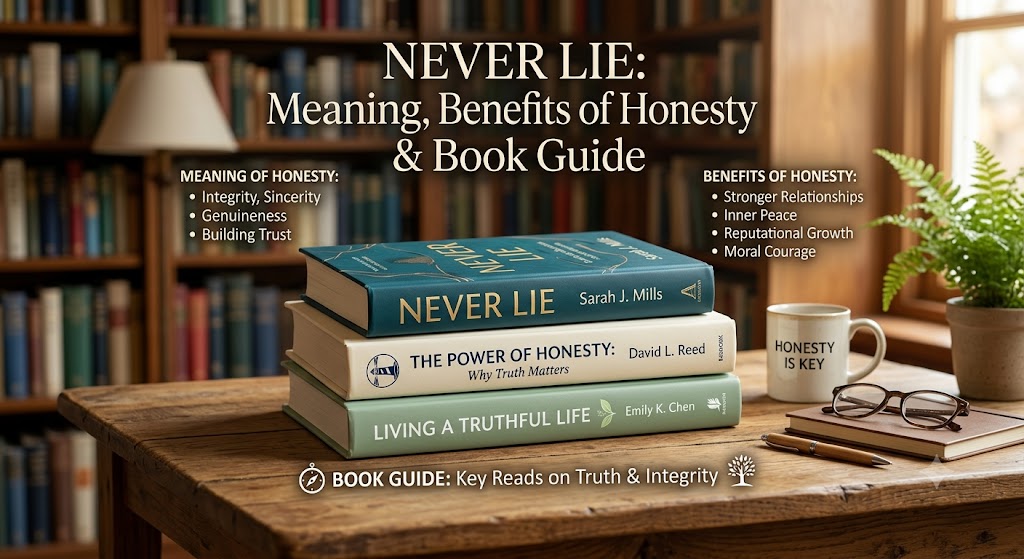
Honesty is more than simply avoiding false statements. It involves being truthful, transparent, and dependable. Honest people tend to earn respect because others know they can rely on their words.
Some key benefits include:
- Building lasting relationships
- Creating trust at work
- Improving communication
- Reducing misunderstandings
- Strengthening personal integrity
People who consistently tell the truth often experience fewer conflicts because they do not need to remember fabricated stories.
The Consequences of Lying
Even small lies can create larger problems over time. A dishonest statement may temporarily avoid an uncomfortable situation, but it often damages credibility when the truth eventually comes out.
Common consequences include:
- Loss of trust
- Damaged friendships
- Workplace conflicts
- Increased stress
- Feelings of guilt
Once trust is broken, rebuilding it can take months or even years.
Honesty in Different Areas of Life
Personal Relationships
Strong friendships and family relationships depend on open communication. Honest conversations allow people to resolve disagreements before they become major problems.
Professional Life
Employers value employees who communicate truthfully. Honest reporting, accurate information, and ethical decision-making contribute to a healthy workplace.
Education
Students who complete their own work develop genuine knowledge and skills. Academic honesty also promotes fairness for everyone.
Comparison Table
| Honesty | Dishonesty |
| Builds trust | Breaks trust |
| Creates stronger relationships | Damages relationships |
| Encourages confidence | Creates anxiety |
| Supports teamwork | Causes conflict |
| Promotes integrity | Hurts credibility |
Can Honesty Ever Be Difficult?
There are situations where telling the truth feels uncomfortable. For example, giving constructive feedback or discussing sensitive topics requires kindness as well as honesty.
The goal should not be to hurt others with harsh words. Instead, honesty should be paired with empathy, respect, and thoughtful communication.
Practical Ways to Be More Honest
Developing honesty is an ongoing process.
Helpful habits include:
- Admit mistakes quickly.
- Avoid exaggerating stories.
- Keep promises whenever possible.
- Correct misunderstandings promptly.
- Think before speaking.
These practices strengthen both personal character and professional reputation.
The Meaning of Never Lie as a Novel
The phrase also refers to Never Lie, a bestselling psychological thriller by author Freida McFadden. The novel follows newlyweds who become trapped in an isolated mansion during a snowstorm. As they explore the house, they uncover recordings left behind by a missing psychiatrist, leading to unexpected twists and suspense. The story has become popular for its fast-paced narrative and surprising ending.
Why the Phrase Remains Relevant
The words “never lie” continue to resonate because they represent values that apply across cultures and generations. Whether discussing ethics, leadership, parenting, or literature, honesty remains a universal principle.
In today’s digital world, misinformation spreads quickly. This makes critical thinking and truthful communication more important than ever.
Key Takeaways
- Honesty is essential for building trust.
- Small lies can create larger long-term problems.
- Honest communication should always include empathy.
- Personal integrity improves relationships and professional success.
- “Never Lie” is also the title of a bestselling psychological thriller by Freida McFadden.
Conclusion
Living honestly does not mean every conversation is easy, but it does create stronger foundations for trust and respect. Whether at home, in the workplace, or among friends, truthful communication reduces misunderstandings and encourages healthier relationships. While the phrase never lie has gained additional recognition through Freida McFadden’s popular thriller, its core message extends far beyond fiction. Choosing honesty, admitting mistakes, and communicating with kindness are habits that benefit both individuals and the communities around them. Even when telling the truth is difficult, integrity remains one of the most valuable qualities a person can develop.