
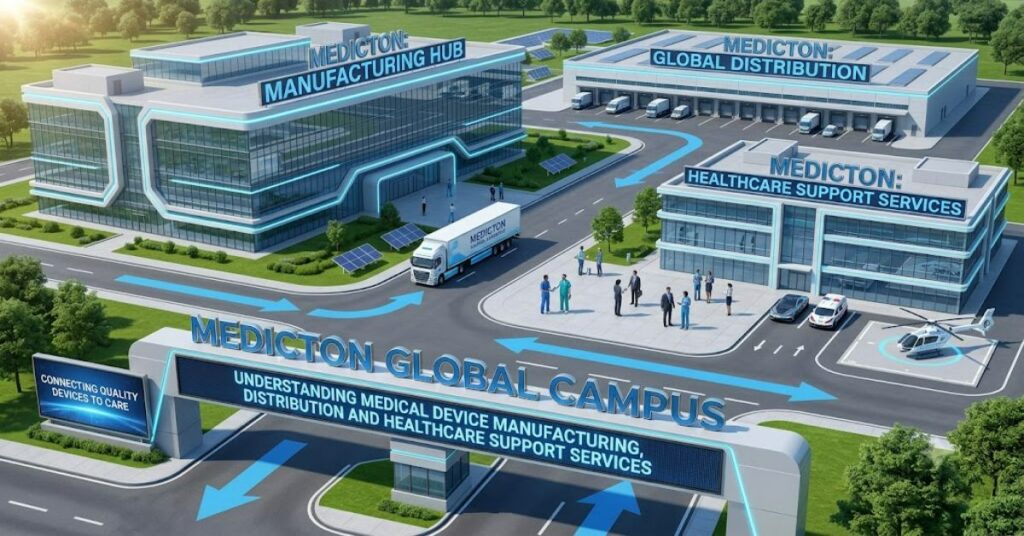
The healthcare sector depends on reliable medical equipment to support diagnosis, treatment, monitoring, and patient care. Medicton operates within this essential ecosystem by focusing on medical device manufacturing, distribution, and aftersales service designed to support healthcare professionals and organisations.
Medical devices are not simple commercial products. They require careful engineering, quality control, regulatory oversight, and continuous maintenance throughout their lifecycle. Hospitals, clinics, and healthcare providers need suppliers that can provide not only equipment but also technical guidance, replacement support, and operational reliability.
The modern medical device market is shaped by increasing demand for advanced healthcare technology, stricter regulatory expectations, and the need for efficient supply chains. Companies operating in this sector must balance innovation with safety, affordability, and compliance.
This article examines how Medicton’s business model reflects wider trends in medical device manufacturing and healthcare supply management. It explores production processes, distribution strategies, service responsibilities, market challenges, and the future direction of medical technology.
The Role of Medicton in the Medical Device Industry
Medical device manufacturers occupy a unique position between engineering, healthcare operations, and regulatory systems. Unlike ordinary products, medical equipment must meet strict performance standards because failures can directly affect patient outcomes.
Medicton’s approach combines three interconnected areas:
| Business Function | Purpose | Healthcare Value |
| Medical Device Manufacturing | Developing and producing healthcare equipment | Reliable products designed for clinical environments |
| Distribution | Delivering devices to healthcare providers | Improved equipment accessibility |
| Aftersales Service | Maintenance, technical support, and lifecycle management | Reduced downtime and improved operational continuity |
This integrated model reflects a broader shift in healthcare procurement. Organisations increasingly prefer suppliers that provide complete solutions rather than one-time equipment sales.
Medical Device Manufacturing: Quality, Compliance and Innovation
Manufacturing medical devices requires precision engineering and strict quality assurance systems. Companies must consider materials, usability, safety testing, and regulatory requirements before products reach healthcare facilities.
Important manufacturing considerations include:
- Product design validation
- Risk management processes
- Quality management systems
- Material compatibility
- Clinical usability
International standards such as ISO 13485 provide a framework for medical device quality management systems. These standards help manufacturers establish consistent processes for design, production, and monitoring.
A key challenge for manufacturers is balancing innovation with regulatory approval. New technologies may improve healthcare outcomes, but they often require extensive testing before adoption.
Distribution Networks and Healthcare Supply Reliability
Medical device distribution involves more than transporting products. It requires accurate inventory management, proper storage conditions, technical documentation, and reliable delivery systems.
Healthcare providers depend on predictable supply chains because equipment shortages can affect clinical operations.
| Supply Chain Factor | Operational Impact |
| Inventory management | Prevents equipment shortages |
| Logistics planning | Supports timely delivery |
| Documentation control | Ensures regulatory compliance |
| Supplier communication | Improves healthcare coordination |
One important industry lesson is that supply chain resilience has become a major priority following global disruptions between 2020 and 2022. Medical organisations increasingly evaluate suppliers based on reliability, not only product price.
Aftersales Service and Equipment Lifecycle Management
Medical equipment requires ongoing support after installation. Maintenance, calibration, troubleshooting, and user training all contribute to effective device performance.
Aftersales service provides several benefits:
- Extends equipment lifespan
- Reduces operational interruptions
- Improves user confidence
- Supports compliance requirements
A common limitation in healthcare procurement is focusing heavily on initial purchase costs while underestimating lifecycle expenses. Maintenance requirements, spare parts availability, and technical support can significantly influence the true cost of ownership.
For healthcare organisations, selecting a supplier with strong service capability can reduce long-term operational risks.
Strategic Advantages of an Integrated Healthcare Supplier
Companies that combine manufacturing, distribution, and support services can create stronger relationships with healthcare providers.
The integrated approach offers:
Improved coordination:
Manufacturers understand product design and can provide better technical assistance.
Better customer experience:
Healthcare organisations receive support throughout the product lifecycle.
Operational efficiency:
A single supplier can simplify procurement and maintenance processes.
However, integration also creates challenges. Managing production, logistics, and service networks requires significant investment in skilled personnel, technology systems, and regulatory knowledge.
Risks and Challenges in the Medical Device Market
The medical device sector faces several ongoing challenges.
Regulatory Complexity
Healthcare regulations vary between countries and regions. Companies must understand approval processes, documentation requirements, and quality standards.
Supply Chain Pressure
Medical device manufacturers may depend on specialised materials and components. Delays can affect production schedules and customer availability.
Technology Obsolescence
Healthcare technology changes quickly. Manufacturers must continue investing in research and development to remain competitive.
Cost Management
Healthcare organisations increasingly examine value rather than simply purchasing the lowest-priced equipment. Suppliers must demonstrate reliability, efficiency, and long-term support.
Market Impact of Medical Device Companies
Medical device manufacturers contribute significantly to healthcare improvement by supporting better diagnosis, treatment, and patient monitoring.
The global medical device industry has expanded due to several factors:
| Market Driver | Impact |
| Ageing populations | Increased demand for healthcare equipment |
| Digital healthcare adoption | Growth of connected medical technologies |
| Hospital modernisation | Investment in advanced devices |
| Preventive healthcare | Greater demand for monitoring solutions |
The industry also faces pressure to improve sustainability. Healthcare organisations are increasingly considering environmental impact, responsible manufacturing, and equipment recycling.
The Future of Medicton in 2027
By 2027, medical device companies are expected to experience continued transformation through digital healthcare, automation, and connected technologies.
Several developments are likely to influence the sector:
Smart medical devices:
Connected equipment using sensors and digital monitoring may improve healthcare efficiency.
Predictive maintenance:
Data analytics could help identify equipment issues before failures occur.
Regulatory technology:
Digital documentation systems may simplify compliance management.
However, adoption will depend on infrastructure investment, cybersecurity protection, and healthcare workforce readiness. Connected devices create opportunities but also introduce concerns around patient data security and system vulnerabilities.
The future success of companies such as Medicton will depend on balancing technological development with safety, reliability, and healthcare needs.
Key Takeaways
- Medical devices require strict quality management throughout their lifecycle.
- Manufacturing, distribution, and service support are interconnected parts of healthcare delivery.
- Aftersales support can significantly influence equipment reliability and operational costs.
- Healthcare suppliers must balance innovation with regulatory compliance.
- Supply chain resilience has become a major consideration for medical organisations.
- Digital healthcare technologies will influence future medical device development.
Conclusion
Medicton represents the type of integrated healthcare supplier model that has become increasingly important in modern medical systems. Manufacturing capability alone is no longer enough; healthcare providers require reliable distribution networks, technical support, and long-term partnerships.
The medical device industry operates within a highly regulated environment where quality, safety, and performance are essential. Companies that successfully combine engineering expertise with customer-focused service are better positioned to support healthcare organisations.
Future growth will depend on adapting to digital healthcare trends, improving supply chain resilience, and maintaining strong quality standards. As healthcare demands continue changing, medical device companies will remain central to improving access, efficiency, and reliability across clinical environments.
Frequently Asked Questions
What does Medicton specialise in?
Medicton focuses on medical device manufacturing, distribution, and aftersales service, providing healthcare organisations with equipment solutions and ongoing support.
Why is aftersales service important for medical devices?
Aftersales service helps maintain equipment performance, reduce downtime, and ensure healthcare providers can continue operating safely.
How are medical devices regulated?
Medical devices are regulated through quality standards, safety requirements, and approval processes that vary depending on the country and device category.
What factors should hospitals consider when choosing a medical device supplier?
Hospitals should evaluate product quality, regulatory compliance, technical support, supply reliability, and total ownership costs.
How will technology affect medical devices by 2027?
Connected devices, automation, and predictive maintenance systems are expected to influence how medical equipment is monitored and maintained.
What challenges do medical device manufacturers face?
Manufacturers must manage regulatory requirements, supply chain risks, technological changes, and increasing expectations for sustainability.
Methodology
This article was developed using publicly available information about medical device manufacturing practices, healthcare supply chains, quality management frameworks, and industry trends.
The analysis considers established principles within the medical technology sector, including regulatory requirements, lifecycle management, and healthcare procurement considerations.
Limitations include the absence of confidential company information, internal operational data, or verified customer performance records. Specific company claims should be reviewed against official documentation before publication.
This article was drafted with AI assistance and should be reviewed and verified by the Postcard.fm editorial team before publication.
References (APA Style)
International Organization for Standardization. (2022). ISO 13485: Medical devices — Quality management systems — Requirements for regulatory purposes. ISO.
World Health Organization. (2023). Medical devices: Managing the medical device lifecycle. World Health Organization.
European Commission. (2023). Medical Device Regulation (EU) 2017/745: Guidance and implementation resources. European Commission.
Organisation for Economic Co-operation and Development. (2023). Health technology and healthcare innovation trends. OECD.