Gelboodu is a confusing keyword because it does not have one settled public meaning. In current search results, it is most often described as an anime-themed imageboard where users browse, upload and organize visual content through tags. Some pages also frame it as a broader cultural or symbolic term, while others appear to use it as a near-variant of the better-known “booru” imageboard model.
That uncertainty matters. A reader searching for the term may be looking for a website, a fan art archive, an anime image search tool, a cultural phrase or a safety explanation. The best way to understand it is to separate the verified structure from the loose online claims.
The “booru” model is older and better documented. Danbooru, launched in 2005, is widely recognized as an anime-focused imageboard using collaborative tags, ratings and metadata to organize user-submitted images. Gelboodu appears in search results as part of that same ecosystem: tag-first browsing, anime or manga imagery, community uploads and content filters. Several ranking pages describe it as an anime imageboard, but many of those pages are thin, repetitive or promotional, so their claims should be treated cautiously.
This article explains what Gelboodu appears to mean, how booru-style platforms work, what users should watch for and why the topic intersects with copyright, AI image datasets, content moderation and online safety.
What Gelboodu Means Online
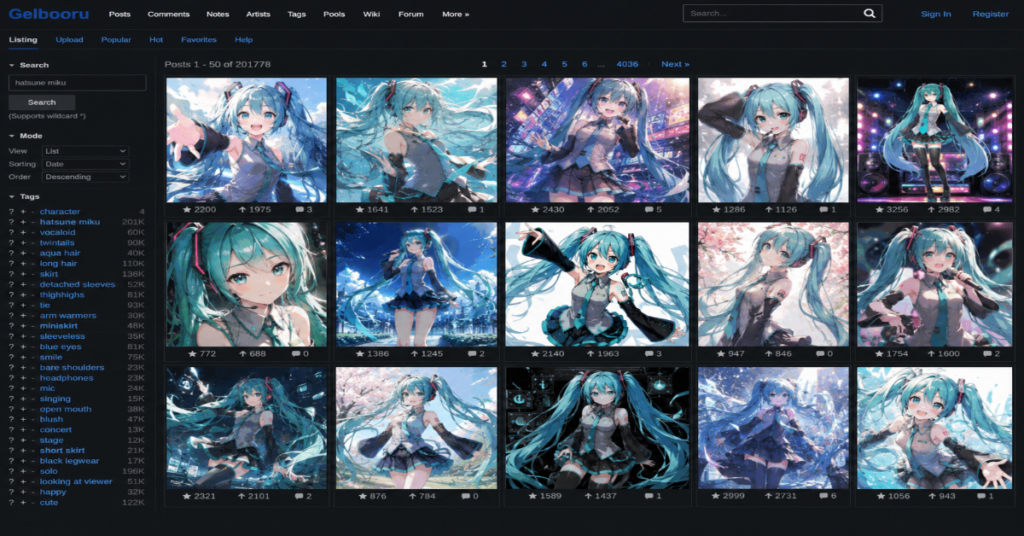
At the practical level, Gelboodu is usually presented as a booru-style anime imageboard. That means images are organized by tags rather than by a social feed. Users search for combinations such as character names, series titles, visual traits, clothing, pose, mood, artist names or content ratings.
The problem is that the term is not consistently documented by authoritative sources. Search results show multiple pages defining it in similar ways, but many are secondary explainers rather than primary documentation. Some describe it as a platform. Others describe it as a flexible digital concept or cultural term. One result connects the word to South Indian gift-exchange customs, while another uses it mainly in the anime imageboard sense.
That creates a search-intent split:
| Search intent | What the reader may want | Editorial treatment |
| Platform lookup | How the site works, whether it is safe | Explain booru-style browsing and risks |
| Anime art discovery | Tags, filters, image search, fan art | Compare with better-known imageboards |
| Safety concern | NSFW content, malware, privacy | Prioritize caution and parental controls |
| Copyright concern | Fan art legality, takedowns, reuse | Explain DMCA and derivative-work exposure |
| Language meaning | Cultural or symbolic definition | Note ambiguity, avoid overclaiming |
The safest definition is this: Gelboodu is an emerging online term most often associated with anime-style imageboard browsing, but its meaning remains unstable and should be interpreted by context.
How Booru-Style Imageboards Work
Booru-style platforms are built around metadata. Instead of relying mainly on followers, algorithmic recommendations or chronological feeds, they depend on user-generated tags. A single image may include tags for the character, franchise, artist, pose, clothing, background, visual style, resolution and content rating.
Danbooru is the best-known example. It uses broad tag categories such as artist, character, copyright, general content and metadata. This creates a searchable folksonomy, meaning a user-built classification system that improves as contributors add and correct tags.
That model has three practical advantages:
| Feature | Why it matters | Trade-off |
| Tag search | Finds precise visual references quickly | Tags can be inconsistent or biased |
| User uploads | Expands archives faster than staff curation | Raises copyright and moderation risk |
| Content ratings | Helps filter explicit or sensitive material | Depends on accurate labeling |
| Open browsing | Reduces friction for casual users | Can expose minors or unprepared users |
| Community correction | Improves metadata over time | Requires active moderation |
Gelboodu, as described across current search results, appears to follow this structure: tag-led discovery, user-contributed images and anime-oriented visual organization.
A useful internal comparison is Postcard.fm’s guide to dojen moe culture, which discusses how independent anime-adjacent creator ecosystems form around emotional character design and community circulation. The same cultural logic helps explain why tag-based anime archives remain useful: fans often search by character identity, visual motif and niche subculture rather than broad genre alone.
Gelboodu vs Danbooru, Gelbooru and Social Platforms
The name can be confused with Gelbooru, an established booru-style platform, and Danbooru, the older reference point for the category. Gelboodu may be a separate keyword, a newer site identity or a search-driven variant used by publishers. Because of that ambiguity, readers should not assume all similarly named sites are connected.
| Platform type | Main structure | Strength | Risk |
| Gelboodu-style pages | Anime imageboard framing, tag browsing claims | Simple entry point for searchers | Unclear authority and inconsistent documentation |
| Danbooru | Long-running anime imageboard with detailed tags | Mature taxonomy and documented influence | Explicit content and reuse concerns |
| Gelbooru-like sites | User-uploaded anime and adult imagery | Large image archives | Copyright takedowns and adult-content exposure |
| Pixiv-style creator platforms | Artist profiles and uploads | Stronger creator identity | Less precise tag taxonomy |
| Social media | Feeds, hashtags, recommendations | Discovery and virality | Algorithmic noise and weaker archival search |
The main distinction is control. Social platforms push content through feeds. Booru-style platforms let users pull content through exact tags. That difference is valuable for artists, designers, researchers and fandom communities, but it also creates problems when copyrighted images, adult material or non-consensual reposts are poorly moderated.
Practical Uses
For ordinary users, Gelboodu-type platforms serve five common purposes.
First, they act as visual reference libraries. Artists may search for poses, costume details, lighting styles or anime design conventions. This does not automatically make reuse legal, but it explains why tag-heavy image archives attract creative users.
Second, they help fandom communities find obscure character material. A social feed rarely preserves old images in a clean searchable structure. A tag archive does.
Third, they function as metadata systems. Tags can show how communities name visual patterns, tropes and styles.
Fourth, they support AI-adjacent workflows. Booru tags are widely used in anime image generation prompts and tag-completion tools. A GitHub project for Stable Diffusion tag completion notes that booru-style tags from imageboards such as Danbooru are used for anime-style illustration prompts and warns that default tag lists may contain NSFW terms.
Fifth, they expose the limits of open archives. Useful search infrastructure can coexist with weak attribution, questionable uploads and unsafe browsing contexts.
Risks and Trade-Offs
The biggest risk is copyright. Fan art often builds on copyrighted characters, franchises or designs. A derivative work may have its own original expression, but the underlying copyrighted work can still require permission depending on jurisdiction and use. Wikimedia Commons summarizes the issue plainly: if the underlying work remains protected, the original rights holder may also need to license it for reuse.
For user-uploaded platforms, the U.S. DMCA safe harbor system is central. Section 512 can limit service-provider liability when platforms meet conditions such as responding to takedown notices and addressing repeat infringers. That does not mean every upload is legal. It means the platform may have a legal process for handling alleged infringement.
There is also content-safety risk. Anime imageboards may include explicit or borderline material. The EU’s Digital Services Act requires online platforms to reduce risks related to illegal and harmful content, including risks affecting children and young people. In July 2025, the European Commission also published guidelines on protecting minors online, using a risk-based approach and emphasizing safety and privacy by design.
For families, Postcard.fm’s anime internet safety guide is a useful companion because it treats explicit anime content as a technical and legal safety issue rather than a simple moral panic.
Structured Insight Table: What Users Should Check
| Question | Why it matters | Safer approach |
| Is the site official or a clone? | Similar names can hide copycat domains | Verify domain history and avoid downloads |
| Does it show adult content by default? | Minors may be exposed quickly | Use filtering, blocking and supervised browsing |
| Are artists credited? | Reposted art may violate creator rights | Follow source links before saving or sharing |
| Is there a takedown policy? | Platforms handling user uploads need rights processes | Look for DMCA, report and contact pages |
| Does the site run aggressive ads? | Pop-ups and redirects increase malware risk | Use browser protection and avoid unknown files |
| Are tags moderated? | Bad tags reduce safety and search accuracy | Treat metadata as community-supplied, not verified |
Market, Cultural and Real-World Impact
The cultural impact of Gelboodu-like systems is larger than the term itself. Anime fandom depends on visual specificity. Fans do not only search for “anime girl” or “action scene.” They search for a named character, a franchise, a costume, an expression, a pose and sometimes a very specific art style.
That is why booru-style tagging remains powerful. It mirrors how fandoms think. It also explains why anime datasets became important in machine learning. Danbooru datasets have been used in computer vision and generative-model research because the images are paired with detailed tags. The Danbooru2021 dataset, for example, is described as containing millions of images and extensive tag annotations.
This creates an original insight that many thin explainers miss: the real value is not just the image archive. It is the metadata layer. Tags turn scattered fandom images into searchable infrastructure. That infrastructure can support art study, fan discovery, AI prompting and dataset construction, but it also concentrates legal and ethical risk.
A second overlooked insight is that booru-style archives compete less with Instagram or TikTok than with search engines. They are not primarily social entertainment products. They are retrieval systems.
A third insight is that creator trust will become a competitive advantage. Platforms that preserve source links, respect takedown requests and label AI-generated content clearly will be more defensible than archives that treat every image as anonymous material.
The Future of Gelboodu in 2027
The Future of Gelboodu in 2027 will depend on regulation, AI disclosure and creator consent.
By 2027, platforms that host or organize user-generated visual content will likely face more pressure to show how they handle illegal content, minor safety, takedown requests and recommender risks. The EU’s Digital Services Act already places stronger duties on online platforms, especially around illegal and harmful content exposure. The Commission’s 2025 minor-protection guidelines also point toward stronger safety-by-design expectations.
AI will sharpen the issue. The U.S. Copyright Office’s AI report series addresses copyright questions around generative AI, including AI outputs and training. Image archives with rich tags are attractive to AI communities, which means platforms will need clearer policies around scraping, dataset use and artist opt-outs.
The likely direction is not the disappearance of booru-style systems. It is segmentation. Safer archives may separate SFW browsing, adult content, AI-generated uploads, original art and reposted fan work more clearly. Less careful sites may survive in search results, but they will carry higher trust, legal and advertising risks.
Key Takeaways
- Gelboodu should be treated as an ambiguous digital term, not a fully settled platform category.
- The most useful interpretation is anime imageboard or booru-style tag archive.
- Tagging is the core technology because it turns images into searchable metadata.
- Copyright risk is structural when user uploads include fan art, reposted images or franchise characters.
- Safety depends on filtering, moderation quality, ad behavior and age-sensitive design.
- The 2027 pressure points will be AI scraping, creator attribution, adult-content controls and regulatory compliance.
- Readers should verify the exact domain, policies and content rules before trusting any site using the name.
Conclusion
Gelboodu is best understood as a search term sitting at the intersection of anime fandom, booru-style image archives and online safety concerns. It appears across the web as an anime imageboard concept, but its documentation is inconsistent enough that readers should avoid treating every claim as established fact.
The useful lesson is broader. Tag-based image archives solve a real discovery problem for anime fans and digital artists. They make visual culture searchable in ways ordinary social feeds do not. But that same openness creates legal, ethical and safety challenges. Copyrighted characters, reposted fan art, adult material, weak attribution and AI dataset use all complicate the picture.
For users, the practical answer is caution. Browse with filters, respect artist rights, avoid suspicious mirrors and treat tags as community metadata rather than verified classification. For publishers, the editorial responsibility is even clearer: explain the ambiguity, cite carefully and never inflate a thinly documented term into a certainty.
FAQ
What is Gelboodu?
Gelboodu is most commonly described online as an anime-focused imageboard or booru-style archive where images are organized by tags. However, the term is not consistently defined, so its meaning depends on context.
Is Gelboodu the same as Gelbooru?
Not necessarily. Gelbooru is a better-known booru-style imageboard name. Gelboodu appears to be a separate keyword or variant used across newer online explainers. Users should verify the exact domain before assuming any connection.
Is Gelboodu safe to use?
Safety depends on the specific website, ad behavior, content filters and moderation. Anime imageboards can include explicit material, misleading ads or reposted copyrighted content. Use filtering, avoid downloads and do not trust clone domains blindly.
Why do anime imageboards use tags?
Tags make visual search precise. Users can search by character, franchise, artist, pose, clothing, style, rating or theme. This works better for fandom archives than normal social feeds.
Can artists use Gelboodu for reference?
Artists can use imageboards for visual study, but copying or reusing protected characters, compositions or artwork may create copyright problems. Use references ethically and check creator permissions when possible.
Does Gelboodu involve AI art?
The term itself does not necessarily mean AI art. However, booru-style tags are widely used in anime AI prompting and dataset workflows, so any tag-based anime archive may intersect with AI image culture.
What should parents know?
Parents should know that anime imageboards may contain adult or borderline content. Device-level parental controls, safe-search filters and supervised browsing are more reliable than trusting a site’s tags alone.
Methodology
This article was prepared from publicly available search results, official copyright and platform-policy sources and the uploaded Postcard.fm article brief. The term was checked across current search results because its meaning appears inconsistent. Higher weight was given to official sources on copyright and online safety, including the U.S. Copyright Office and European Commission, while lower-trust SEO explainers were used only to map how the term is currently being described online.
Limitations: I did not conduct hands-on testing of any specific Gelboodu website, so this article does not claim firsthand platform performance, account behavior or moderation results. A human editor should verify all URLs, screenshots, internal links, APA formatting and legal statements before publication.
References
Creative Commons. (n.d.). Sharing openly, sharing globally. Creative Commons.
European Commission. (2025, July 14). Commission publishes guidelines on the protection of minors. Shaping Europe’s Digital Future.
European Commission. (2026, March 23). The Digital Services Act. Shaping Europe’s Digital Future.
U.S. Copyright Office. (n.d.). Section 512 of Title 17: Resources on online service provider safe harbors and notice-and-takedown system.
U.S. Copyright Office. (n.d.). Copyright and artificial intelligence.
Wikimedia Commons. (n.d.). Commons: Derivative works.