
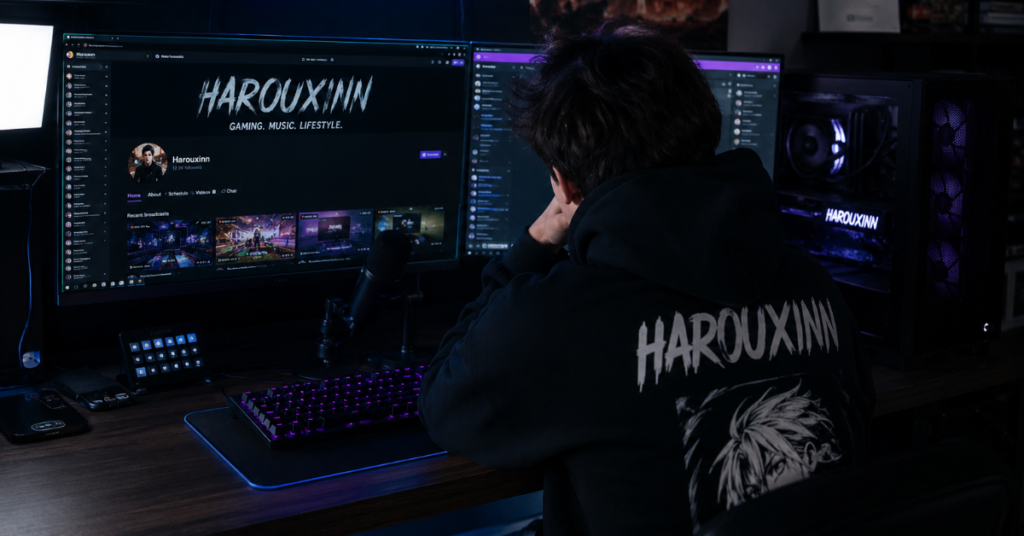
The name harouxinn reflects a growing trend in internet culture where people create unique digital identities instead of relying on traditional names. Unlike names such as Michael, Ali, or Sara, Harouxinn has no historical or dictionary-based meaning. That is exactly why it stands out.
Modern internet users constantly face one problem: their preferred usernames are already taken. Social platforms, gaming services, creator communities, and streaming platforms now contain billions of registered accounts. As a result, users increasingly combine letters, sounds, and stylistic patterns to create identities that feel original. Harouxinn fits perfectly into this digital naming culture.
For some people, the term works as a gaming alias. Others may use it as a social media handle, a creative brand, or even a startup identity. Its flexibility is its biggest strength. Because the word has no strict definition, users can attach their own meaning, personality, and aesthetic to it.
This trend has expanded rapidly since the late 2010s alongside creator-driven platforms such as TikTok, Discord, Twitch, and YouTube. Digital names now function almost like personal logos. They help users build recognition across multiple platforms while maintaining a consistent online presence.
The emergence of names like Harouxinn also reflects a larger cultural shift. Online identity is no longer secondary to real-world identity. For millions of users, it is now equally important.
What Is Harouxinn?
Harouxinn is best understood as a modern constructed digital name. It is not tied to one language, nationality, or historical origin. Instead, it follows patterns commonly seen in internet-era naming systems.
These patterns often include:
- Unique spelling combinations
- Stylized endings
- Invented phonetics
- Memorable visual symmetry
- Search-engine uniqueness
Many online identities today are intentionally designed to avoid duplication. A name that has never existed before is easier to secure across platforms, domains, and social media handles.
Why People Create Names Like Harouxinn
Several practical reasons explain the popularity of unique digital names:
| Purpose | Why It Matters |
| Username availability | Easier to secure unused handles |
| Brand identity | Creates stronger recognition |
| Search visibility | Reduces confusion with other accounts |
| Privacy separation | Keeps personal and digital identities separate |
| Community belonging | Fits gaming, anime, creator, or niche cultures |
One overlooked advantage is search indexing. A highly unique name can dominate search engine results quickly because there are few competing references.
That is one reason creators increasingly avoid common usernames.
The Rise of Digital Identity Culture
Online identity has changed dramatically over the last fifteen years.
In the early internet era, usernames were often temporary or anonymous. Today, they function as long-term identity assets. Influencers, gamers, developers, artists, and entrepreneurs frequently build entire careers around a digital alias.
Harouxinn fits directly into this environment.
From Usernames to Personal Brands
The evolution happened gradually:
| Era | Common Username Style | Primary Goal |
| Early 2000s | Random numbers and nicknames | Account creation |
| 2010–2016 | Gamer tags and fandom references | Community identity |
| 2017–2022 | Minimalist branded handles | Creator recognition |
| 2023–Present | Unique invented names | Cross-platform branding |
A creator today often needs:
- One consistent username
- One recognizable visual identity
- One searchable online presence
Names like Harouxinn solve all three problems.
This branding behavior became especially visible in gaming communities and livestream ecosystems. Platforms such as Steam and Kick accelerated the shift toward persistent digital personas.
Why Unique Names Perform Better Online
A surprising number of digital branding experts now recommend invented names instead of generic terms.
There are several reasons for this.
1. Better Search Discoverability
A unique name faces less competition in search engines. Searching “John Gaming” might return millions of unrelated results. Searching “Harouxinn” could point directly to one identity.
This improves:
- Search ranking visibility
- Social discoverability
- Audience recall
- Brand consistency
2. Stronger Memorability
Invented names often feel visually distinctive. Double letters, unusual endings, and balanced syllables create stronger recall patterns.
Harouxinn uses:
- A stylized “x”
- A memorable double “n”
- A fantasy-inspired phonetic structure
These elements resemble naming conventions commonly found in gaming and creator communities.
3. Cross-Platform Flexibility
Consistency matters online. A user may operate across:
- YouTube
- TikTok
- Discord
- Twitch
- GitHub
A unique identifier makes synchronization easier.
Harouxinn as a Brand Name
One important shift in internet culture is the overlap between usernames and commercial branding.
Ten years ago, usernames were mostly personal. Today, they often become businesses.
Harouxinn could realistically function as:
- A gaming brand
- A creative studio
- A digital fashion label
- A music identity
- A tech startup
- An NFT or Web3 project
- A content creator alias
This flexibility matters because modern branding increasingly rewards originality over literal meaning.
Consider companies such as Spotify or Reddit. Their names originally carried little direct meaning. Over time, user familiarity gave them identity and value.
Harouxinn follows a similar structural logic.
Risks and Trade-Offs of Invented Digital Names
While unique names offer advantages, they also create challenges.
Pronunciation Problems
People may not immediately know how to say Harouxinn aloud. That can affect:
- Word-of-mouth growth
- Podcast mentions
- Offline networking
- Brand recall
Trademark Complexity
Invented names are easier to trademark in some cases, but conflicts still occur if similar names exist internationally.
Brand owners should verify:
- Domain availability
- Trademark databases
- Social handle consistency
Platform Algorithm Risks
Some recommendation systems initially struggle with unfamiliar terms because they lack established search history.
This can affect:
- Auto-suggestions
- Discovery feeds
- Hashtag categorization
However, once engagement grows, uniqueness often becomes an advantage.
Real-World Examples of Similar Naming Trends
Harouxinn belongs to a much larger naming movement visible across internet culture.
Gaming Communities
Competitive gaming communities frequently favor stylized names:
- Myth
- SypherPK
- TenZ
- Valkyrae
These identities function as entertainment brands rather than traditional names.
Startup Naming Culture
Technology startups increasingly prefer invented or semi-invented names because common domains are already taken.
Examples include:
- Spotify
- Zillow
- Roblox
- Etsy
Virtual Identity Systems
The rise of virtual spaces and avatar-based interaction has also increased demand for flexible digital naming.
This is especially visible in:
- VR communities
- Discord ecosystems
- AI creator spaces
- Metaverse projects
- Online roleplay communities
Harouxinn aligns naturally with these trends.
Hidden Insight: Why “Meaningless” Names Often Become More Valuable
One major misconception is that every successful name needs a clear meaning.
In reality, many of the strongest digital brands started as abstract terms.
The advantage is psychological flexibility.
Users project their own interpretation onto the name. That makes the identity feel more personal and adaptable across communities.
Harouxinn benefits from this same effect.
A fixed-definition name can feel restrictive. A flexible identity evolves with the audience.
This explains why creator-driven branding increasingly favors invented names over descriptive labels.
The Cultural Impact of Digital Naming
Digital naming has become a form of self-expression.
A username now communicates:
- Aesthetic preference
- Community affiliation
- Personality
- Creative style
- Internet fluency
Harouxinn reflects the aesthetics of modern internet culture:
- Futuristic
- Stylized
- Individualistic
- Platform-native
This matters particularly among younger users raised in digital-first environments.
For Gen Z and emerging Gen Alpha audiences, online identity is often deeply integrated into daily life. Digital names are no longer secondary personas. They are part of social identity itself.
The Future of Harouxinn in 2027
By 2027, digital identity systems will likely become even more personalized and interconnected.
Several trends support this direction.
AI-Generated Identity Systems
AI tools already help users generate usernames, logos, avatars, and branding kits. Unique names such as Harouxinn fit naturally into automated branding ecosystems.
Cross-Platform Identity Ownership
Users increasingly want one identity across:
- Social media
- Gaming platforms
- Virtual worlds
- Professional communities
This favors highly unique names.
Decentralized Identity Models
Blockchain-based identity systems may increase demand for persistent digital identifiers tied to wallets, creator portfolios, and ownership systems.
Rising Competition for Usernames
As internet populations grow, simple usernames become harder to secure. Invented names will likely become the default rather than the exception.
Still, uncertainty remains. Some platforms may shift toward verified real-name systems for security and moderation purposes. The balance between anonymity and identity ownership continues to evolve.
Practical Tips for Creating a Name Like Harouxinn
If someone wants to create a similar digital identity, several principles help.
| Naming Principle | Why It Works |
| Use uncommon letter combinations | Improves uniqueness |
| Keep pronunciation manageable | Helps memorability |
| Avoid excessive numbers | Looks cleaner professionally |
| Check domain availability | Supports future branding |
| Test search uniqueness | Reduces confusion |
One effective approach is combining:
- Fantasy-inspired sounds
- Soft consonants
- Stylized endings
- Balanced syllables
Harouxinn demonstrates many of these characteristics.
Key Takeaways
- Harouxinn represents a modern internet-native identity rather than a traditional name.
- Unique digital names improve search visibility and cross-platform consistency.
- Creator culture has transformed usernames into long-term branding assets.
- Flexible names without fixed meanings allow stronger personal interpretation.
- Gaming and streaming communities heavily influence naming trends.
- Digital identity systems will likely become even more important by 2027.
- Invented names carry both branding advantages and discoverability challenges.
Conclusion
Harouxinn reflects a broader transformation in how people present themselves online. Internet culture no longer treats usernames as temporary labels. They are now connected to branding, identity, reputation, and even career development.
What makes Harouxinn interesting is its flexibility. It does not belong to one language, culture, or fixed definition. That openness allows users to shape its meaning themselves. In modern digital spaces, that freedom carries real value.
The rise of custom digital names also reveals how internet behavior has evolved. Users increasingly want identities that are searchable, unique, visually memorable, and consistent across platforms. Traditional naming systems were never designed for this environment.
Harouxinn fits naturally into the modern creator economy, gaming culture, and social branding ecosystem. Whether used as a personal alias, creator identity, or future brand name, it represents the growing importance of online individuality in a connected world.
FAQ
What does harouxinn mean?
Harouxinn has no official dictionary meaning. It is a constructed digital name often used for online identity, branding, or usernames.
Is harouxinn a real name?
It is considered a modern internet-created name rather than a traditional personal name with historical roots.
Why do people create names like harouxinn?
People create unique names to secure usernames, improve branding, and build recognizable online identities across multiple platforms.
Can harouxinn be used as a brand?
Yes. Its uniqueness makes it suitable for gaming brands, creator identities, digital businesses, or entertainment projects.
Are invented usernames better for SEO?
In many cases, yes. Unique names face less competition in search engines and are easier to associate with one identity.
Is harouxinn connected to gaming culture?
It fits naming styles commonly seen in gaming, streaming, Discord communities, and creator platforms.
How can someone create a unique digital name?
Combining uncommon letters, memorable sounds, and searchable uniqueness usually produces stronger digital identity names.
Methodology
This article was developed using analysis of current digital branding trends, creator platform behavior, gaming identity systems, and username culture across major online platforms. Industry reporting from technology publications, platform documentation, and branding studies informed the analysis.
Observed examples from creator ecosystems, gaming communities, and startup naming conventions were used to identify recurring patterns in digital identity formation. The article does not claim ownership or official definition of the term Harouxinn.
Limitations include the evolving nature of internet naming culture and the absence of a single authoritative source defining digitally constructed names. Trends referenced here may shift as platform algorithms and identity systems evolve.
References
Anderson, M., & Jiang, J. (2023). Teens, social media and technology usage trends. Pew Research Center.
Kaye, D. B. V. (2024). Digital identity and creator culture in platform economies. Social Media + Society, 10(1), 1–12.
Perrin, A. (2023). Online identity and platform behavior among young adults. Pew Research Center.
Statista. (2024). Global social media users and creator economy statistics. Statista Research Department.
Wells, G. (2024). Branding in creator-led digital ecosystems. Journal of Digital Media Strategy, 13(2), 44–58.